- Sabine's Newsletter
- Posts
- Brain Scans, Asteroid Mining, Satellite Collisions, and Nanobots
Brain Scans, Asteroid Mining, Satellite Collisions, and Nanobots
This week’s science bits from SWTG

Marcus Gee-Lim
December 24, 2025
|


Thousands of Brain Imaging Studies Might Be Wrong
A group led by researchers from Germany have discovered that about 40% of signals in conventional functional MRI (fMRI) scans don’t align with brain activity levels. These scans detect changes in blood flow, and assume that more blood flow means that neurons use more oxygen and fire more.
But the new study shows that in regions like the brain’s “default mode network” (which is active during daydreaming or memory recall), neurons can become more active just by pulling more oxygen from blood – without increasing blood flow. The researchers figured this out with a study on over 40 healthy volunteers which also used a more advanced measure for blood oxygen consumption. This means that the results of thousands of studies done in the past decades might be misleading.
This is more bad news for a field that previously suffered through the infamous “dead salmon” study from 2009, where researchers placed a deceased Atlantic salmon in an fMRI scanner, presented it with photos of humans in social situations, and detected apparent brain “activity” due to statistical errors
This week’s episode of Science News is about nanobots. Scientists have talked about nanobots for 40 years, and according to headlines they’re almost ready for use in the medical field. But operating tiny machines in the human body comes with a wide variety of problems that modern physics and medicine struggle with. Let’s take a look at how close we are to bringing the nanobots of sci-fi into reality and what those tiny “robots” actually look like.
Asteroid mining: reality check after the platinum hype

For years, asteroid mining has been hyped with claims that some asteroids are worth trillions because they are supposedly made of platinum or other precious metals, an idea that came from rough estimates of metal-rich space rocks rather than detailed measurements. A new paper in Monthly Notices of the Royal Astronomical Society brings this discussion back down to Earth by looking at what materials asteroids are actually likely to contain (based on careful laboratory analyses of meteorites that fell to Earth).
The authors show that most asteroids are not giant floating platinum nuggets. Some do contain useful metals (such as nickel, cobalt, copper, and some rare earths), but typically in much lower concentrations than sensational headlines suggest. This doesn’t mean that asteroid mining will never make commercial sense, but it does mean it would only make sense for very carefully chosen targets and mainly in the context of future space infrastructure – not as a quick way to flood Earth with cheap precious metals.
Paper here.
Partnered with DeleteMe

The Opposite Of Mindless Scrolling
Your personal data is a hot commodity for data brokers, who sell it for a profit while putting you at risk for phishing and fraud. DeleteMe protects you from this by removing your info from hundreds of sites with continuous monitoring and expert support. Protect your digital life — visit joindeleteme.com/SABINE and use code SABINE now! Act fast to stay safe.
'CRASH Clock' Warns of Satellite Crash Risk
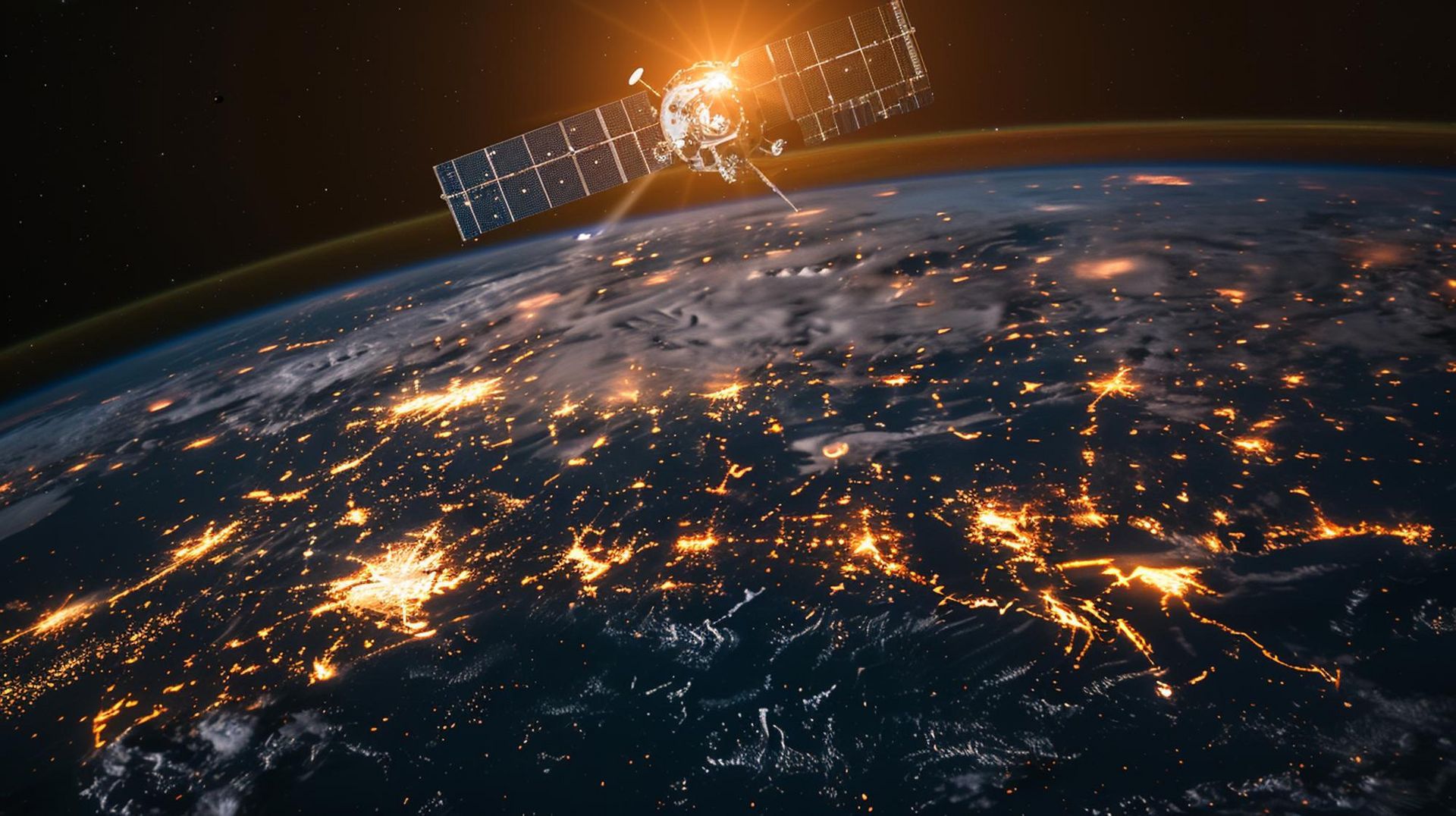
In a stark warning about the overcrowding of space, a group of scientists have created something called the “CRASH Clock” to quantify how many satellites are dangerously piling up in low earth orbits. They calculate what would happen if all the satellites currently up there — about 14,000 — lost their ability to maneuver. They find that it would take just about 2.8 days for the first collision. Back in 2018, before megaconstellations like Starlink exploded in number, the clock stood at a safer 121 days. The Starlink fleet has made approximately 800 course collisions per day on average in the past 18 months. Paper here.
The Hustle: Claude Hacks For Marketers

Some people use Claude to write emails. Others use it to basically run their entire business while they play Wordle.
This isn't just ChatGPT's cooler cousin. It's the AI that's quietly revolutionizing how smart people work – writing entire business plans, planning marketing campaigns, and basically becoming the intern you never have to pay.
The Hustle's new guide shows you exactly how the AI-literate are leaving everyone else behind. Subscribe for instant access.